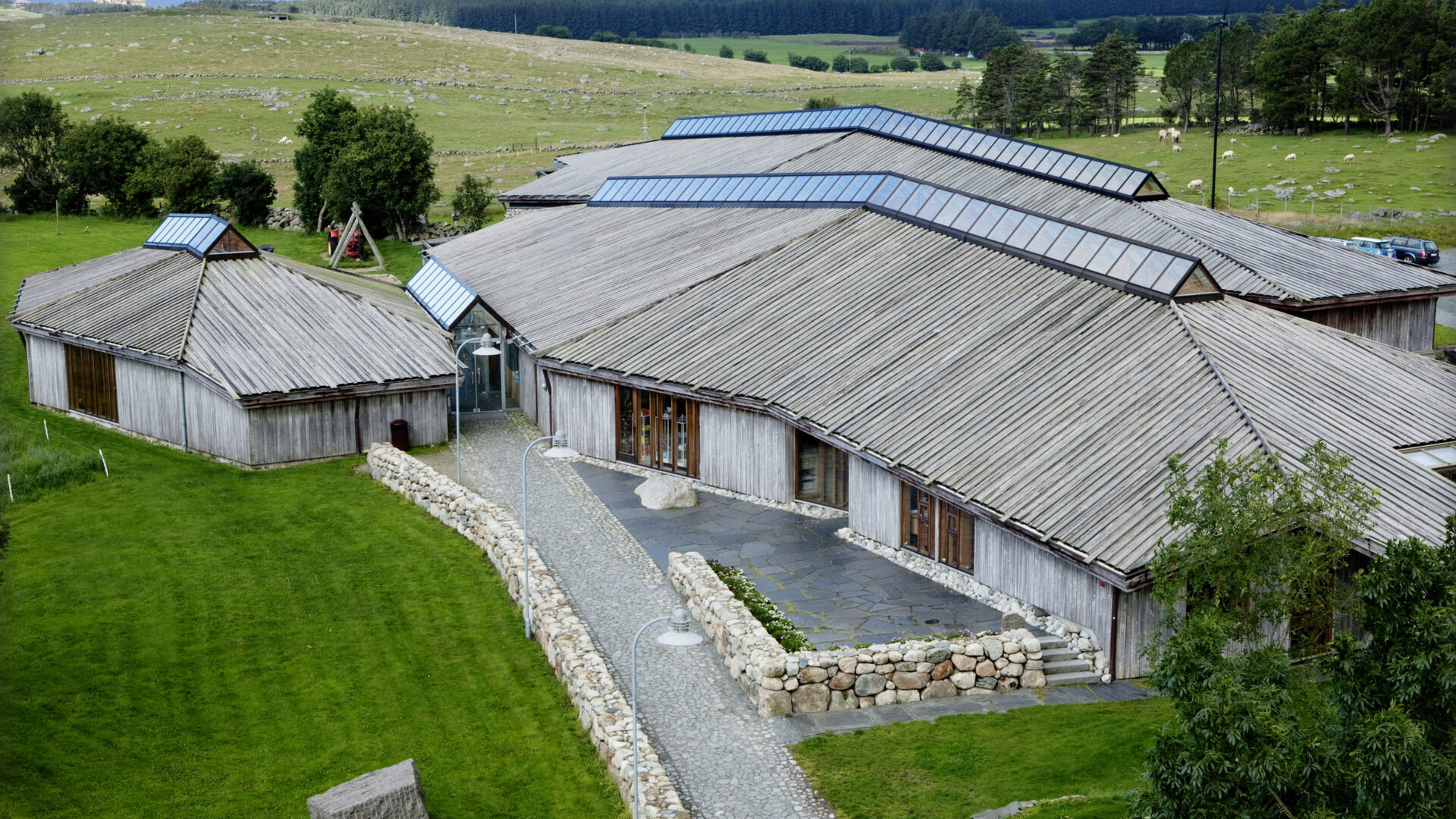
Jærmuseet’s Vitengarden
Nærbø, Norway
A new exhibition has opened at Jærmuseet’s Vitengarden in Nærbø, Norway: The Making of Jæren, featuring two interactive installations by Gagarin. Developed in close collaboration with researchers and educators, the installations transform climate data and regional history into layered, immersive experiences.
Vitengarden, part of Jærmuseet in Nærbø, Norway, is a museum and science centre focused on the nature, agriculture, and everyday life of the Jæren region. Through hands-on, interactive experiences, visitors can explore how landscape, technology, and food production are closely connected.
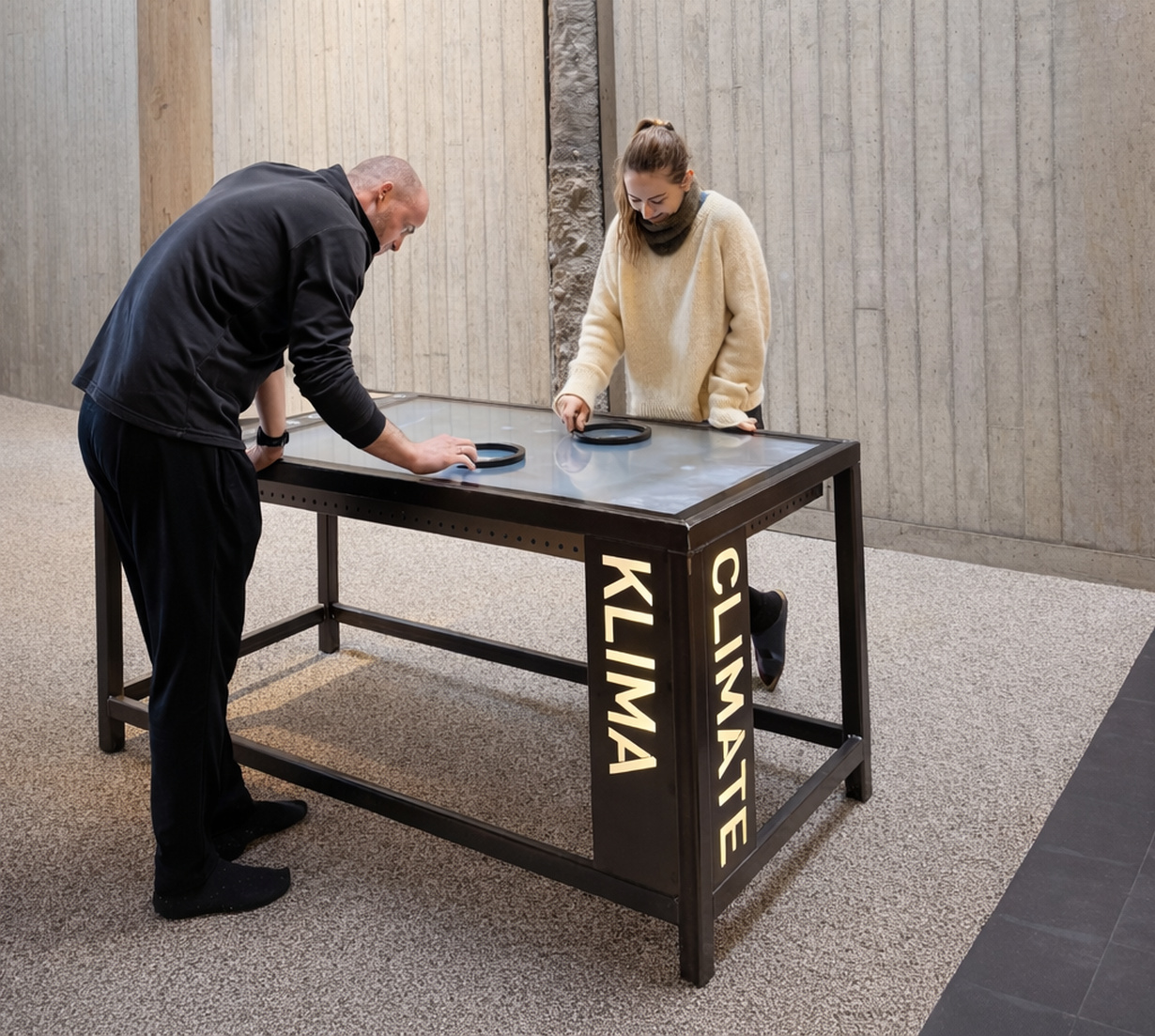
The Climate Installation
With the push of a button, visitors explore possible futures of the Jæren landscape. Handheld loupes serve as windows into different environments: coastlines, farmlands, and mountain areas, revealing impacts on biodiversity, society, and adaptation strategies. The tactile interaction is intuitive and engaging, making complex climate science accessible through playful discovery. Each interaction uncovers new layers of data, animations, and hidden details, encouraging visitors to reflect on the future we are shaping.
The Climate Installation was developed with invaluable scientific advice from Marie Pontoppidan at NORCE, Borgar Aamaas at CICERO, and Mats Höglind at NIBIO.
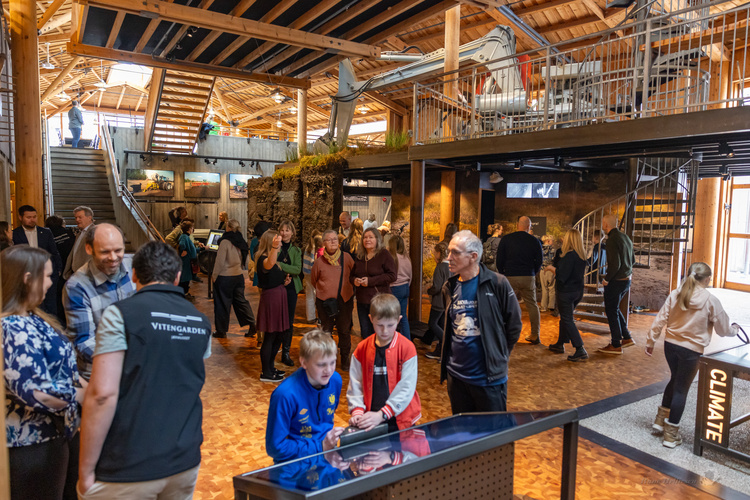
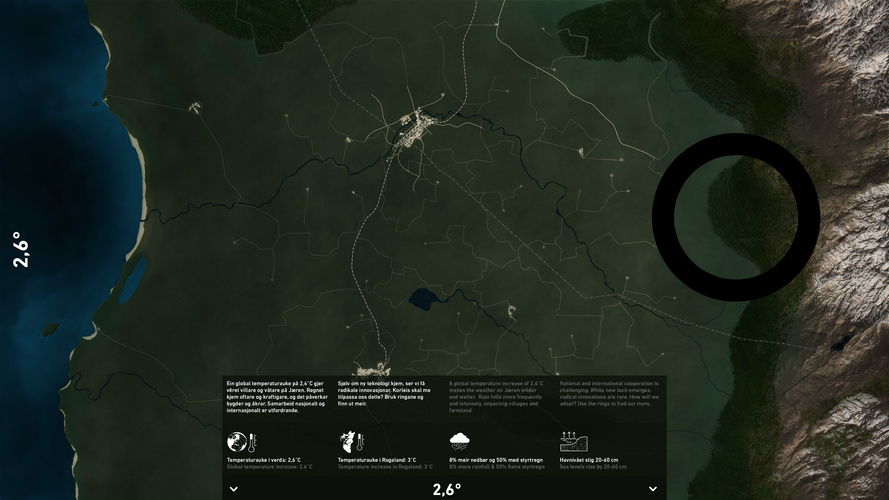
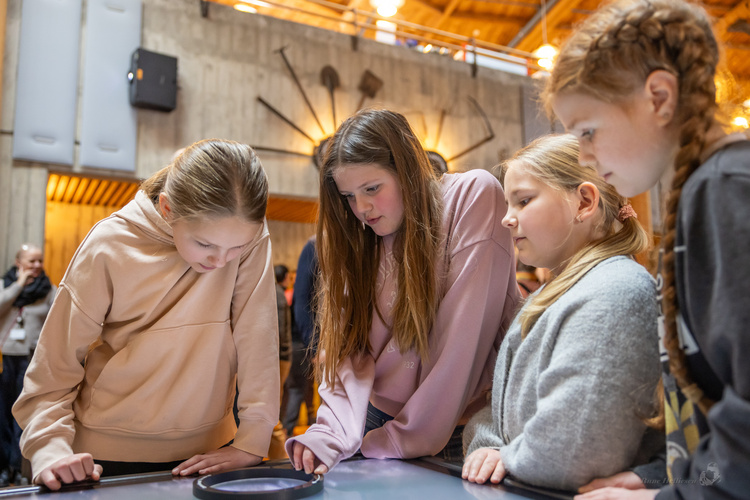
Because the loupes are physical and intuitive, even first-time users instinctively understand how to interact. The act of holding, pointing, and discovering feels playful and almost magical, as if the land itself is yielding its secrets under the glass.
The Jæren Region
A large-scale screen and projection present Jæren as a living, time-travelling landscape. Spanning 150,000 years, the installation visualises geological and historical transformations, from glaciers shaping the land to human activity redefining it. Through continuous zoom and layered storytelling, visitors experience how geology, ecology, and human influence are deeply interconnected. Scientific data is translated into compelling visuals, turning complex information into an intuitive narrative.
The Jæren Region installation was guided by the expertise of Hanne Thomsen, geomorphologist and landscape historian, and Lisbeth Prøsch-Danielsen at the Archaeological Museum / University of Stavanger.
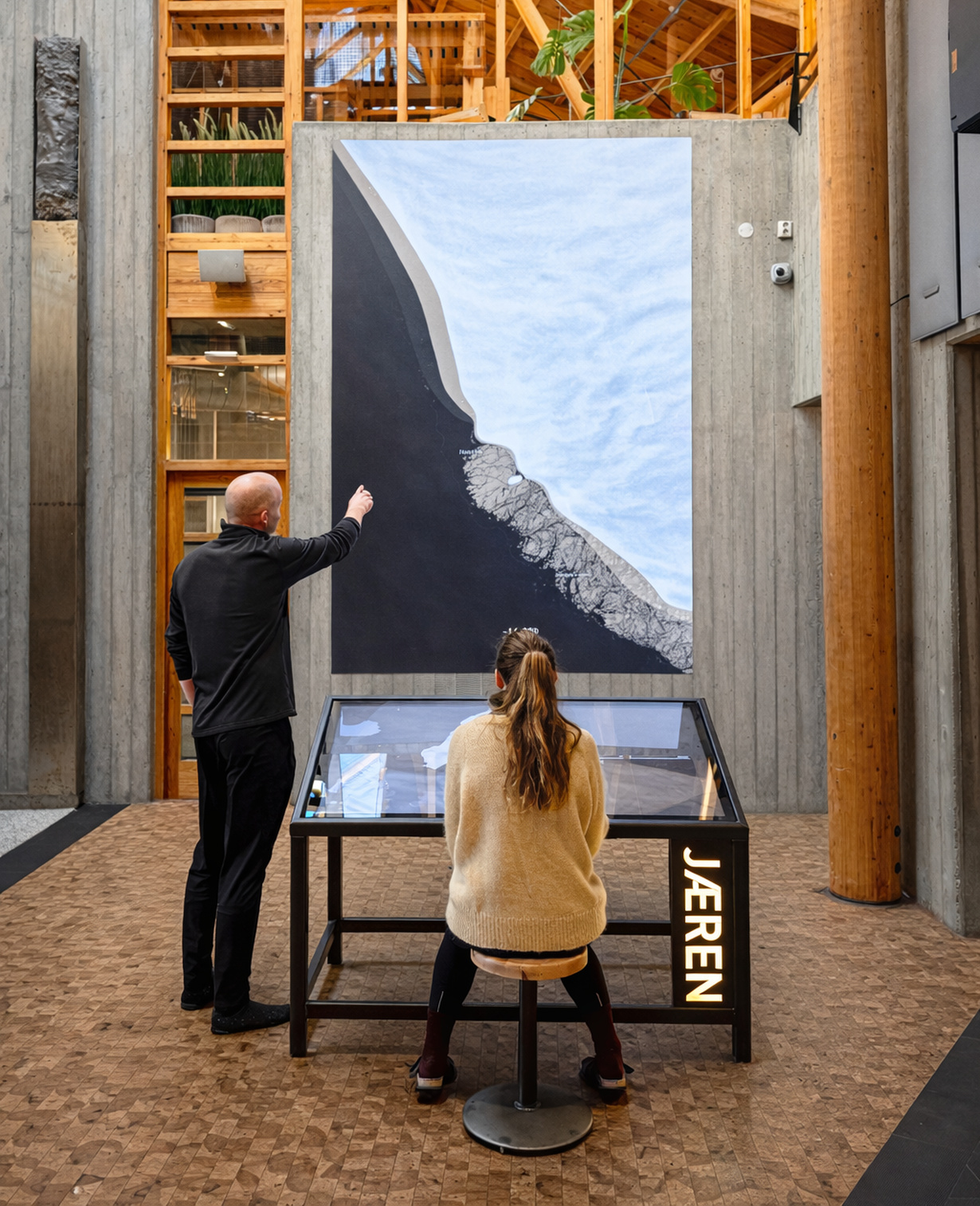
Spanning 150,000 years, the installation visualises geological and historical transformations, from glaciers shaping the land to human activity redefining it.
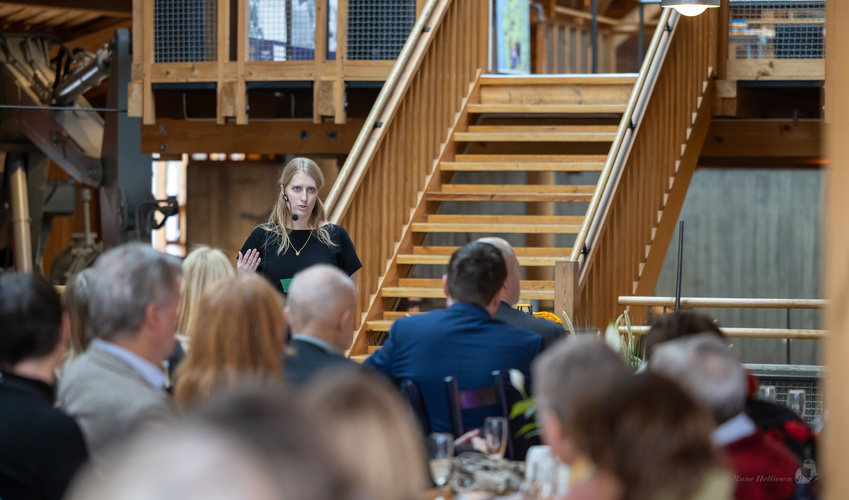
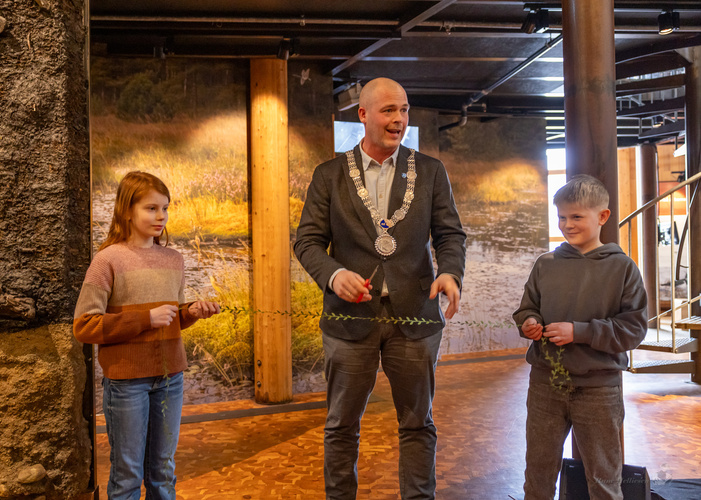
From the formal exhibition opening in 2026.
One of the three foundational legs of the installation is ecology: as glaciers receded and soils formed, new biotopes arose, creating habitats that allowed plants, birds, and mammals to establish and thrive.
Ludic Learning
Together, the two installations invite visitors to attain knowledge in a playful manner; whether peering through a loupe to reveal a hidden future or zooming through 150,000 years of geological change, the experiences are both intuitive and profound. By turning complex data into tactile, visual, and interactive journeys, they transform science from something to be observed into something to be felt, sparking curiosity, wonder, and deeper reflection on our shared environment.
By blending rigorous research with hands-on interaction, these installations reflect Vitengarden’s physical approach to learning. Few screens, more levers, lenses, and tactile tools, designed to make climate science and local history not just visible, but tangible.
Both projects were conducted under the skilled project management of Gunhild Hammeraas at Jærmuseet, in what we feel was a truly rewarding collaboration. We are proud to have delivered these two new experiences and look forward to seeing how they spark curiosity, dialogue, and action among the next generation of curious minds in Jæren.